Cryptocurrency for Beginners: How to Start Investing Safely in 2025
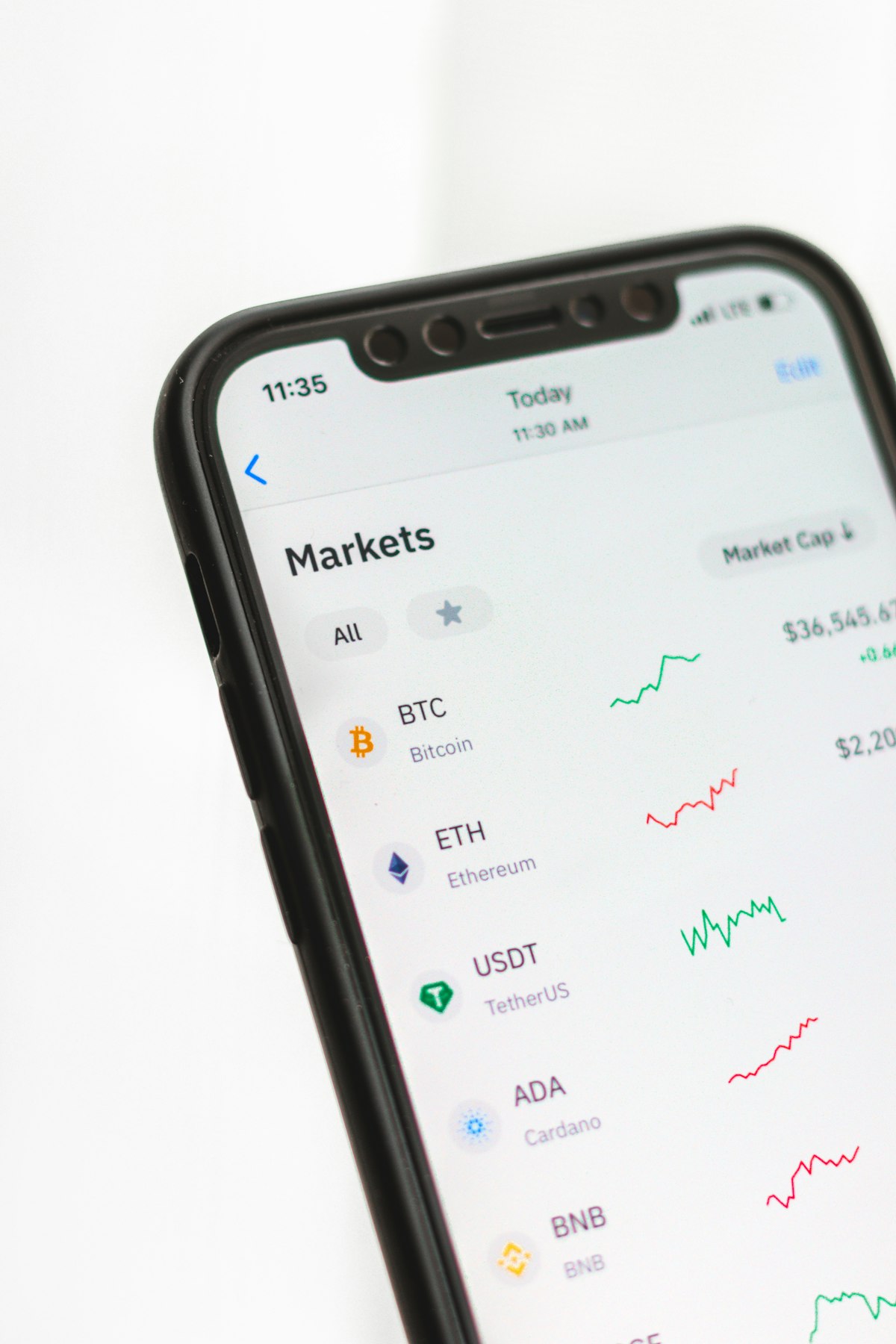
Cryptocurrency has evolved from an obscure internet experiment into a trillion-dollar asset class that's impossible to ignore. But for beginners, the world of Bitcoin, Ethereum, blockchain, and digital wallets can feel intimidating — and the headlines about hacks, scams, and extreme volatility don't help. This guide is designed to take you from zero to confident, explaining everything you need to know in plain language, with a focus on safety and smart decision-making.
1. What Is Cryptocurrency? A Simple Explanation
At its core, cryptocurrency is digital money that operates on a technology called blockchain. Unlike traditional currencies issued by governments (like the dollar or euro), cryptocurrencies are decentralized — meaning no single entity, bank, or government controls them.
Think of blockchain as a public, digital ledger that records every transaction across a network of thousands of computers. Once a transaction is recorded, it cannot be altered or deleted. This makes cryptocurrency transactions transparent, secure, and resistant to fraud — at least in theory.
The Most Important Cryptocurrencies to Know
| Cryptocurrency | Symbol | Market Cap (approx.) | Primary Use |
|---|---|---|---|
| Bitcoin | BTC | $1.5+ trillion | Digital gold, store of value |
| Ethereum | ETH | $400+ billion | Smart contracts, decentralized apps |
| Binance Coin | BNB | $80+ billion | Exchange utility token |
| Solana | SOL | $60+ billion | High-speed transactions, DeFi |
| Cardano | ADA | $25+ billion | Research-driven blockchain |
2. How to Buy Cryptocurrency: A Step-by-Step Guide
Choose a Cryptocurrency Exchange
An exchange is a platform where you can buy, sell, and trade cryptocurrencies. For beginners, the most important factors are security, ease of use, and regulatory compliance.
Top exchanges for beginners in 2025:
- Coinbase: The most user-friendly interface, strong regulatory compliance, insured custodial wallets. Higher fees (0.5% - 4.5% per transaction).
- Binance: Lower fees (0.1%), hundreds of cryptocurrencies available. More complex interface.
- Kraken: Excellent security track record, good for both beginners and advanced traders.
- Gemini: Based in the U.S., strong regulatory compliance, insured hot wallet.
Create and Verify Your Account
All legitimate exchanges require identity verification (KYC — Know Your Customer) to comply with anti-money laundering regulations. You'll need:
- Government-issued photo ID (passport or driver's license)
- Proof of address (utility bill or bank statement)
- Social Security number or equivalent tax ID
Verification can take anywhere from a few minutes to a few days.
Fund Your Account
You can deposit funds via:
- Bank transfer (ACH/SEPA): Slowest (1-5 business days) but lowest fees
- Debit/credit card: Instant but higher fees (3-5%)
- Wire transfer: Fast for large amounts, moderate fees
Start small. Many exchanges allow you to buy as little as $10 worth of cryptocurrency.
Place Your First Order
For your first purchase, use a market order — this buys the cryptocurrency at the current market price. As you gain experience, you can explore limit orders (which allow you to set a specific price you're willing to pay).
Secure Your Investment: Choose a Wallet
This is the most critical step for security. Leaving cryptocurrency on an exchange means you don't fully control it — and exchanges can be hacked.
3. Cryptocurrency Wallets: Understanding Your Options
Hot Wallets (Connected to the Internet)
| Type | Examples | Security Level | Best For |
|---|---|---|---|
| Exchange Wallet | Coinbase, Binance wallet | Low | Trading, small amounts |
| Software Wallet (Desktop/Mobile) | Exodus, Trust Wallet, MetaMask | Medium | Daily use, moderate amounts |
Cold Wallets (Offline Storage)
| Type | Examples | Security Level | Best For |
|---|---|---|---|
| Hardware Wallet | Ledger Nano X, Trezor Model T | High | Long-term holding, large amounts |
| Paper Wallet | Printed private keys | Very High (if stored safely) | Long-term cold storage |
4. Common Cryptocurrency Scams to Avoid
- Phishing Scams: Fake emails or websites that mimic legitimate exchanges. Always type the exchange URL directly — never click links in emails.
- Pump and Dump Schemes: Coordinated efforts to artificially inflate a coin's price, then sell at the peak, leaving latecomers with worthless tokens.
- Fake Exchanges and Wallets: Apps that look legitimate but are designed to steal your credentials and funds. Only download from official sources.
- Rug Pulls: Developers create a new cryptocurrency, hype it aggressively, then abandon the project and disappear with investors' money.
- Impersonation Scams: Fraudsters posing as customer support, influencers, or celebrities, offering to "double your crypto" if you send it to them.
5. Investment Strategies for Beginners
Dollar-Cost Averaging (DCA)
Instead of trying to time the market — which even professionals struggle to do consistently — invest a fixed amount at regular intervals (e.g., $50 every week). This smooths out price volatility and removes emotion from your decision-making.
The 5% Rule
Never invest more than 5% of your net worth in cryptocurrency. While the potential upside is significant, so is the risk. Cryptocurrency should complement a diversified portfolio that includes stocks, bonds, and cash — not replace it.
HODL (Hold On for Dear Life)
The most successful crypto investors are often those who buy quality assets and hold them for years, ignoring short-term price fluctuations. Bitcoin, for example, has historically rewarded patient investors despite multiple 50%+ crashes along the way.
Conclusion: Start Small, Stay Safe, Keep Learning
Cryptocurrency represents a genuine technological innovation with the potential to reshape finance. But it's also a volatile, largely unregulated market filled with both opportunity and risk. The smartest approach for beginners is to start small — invest only what you can afford to lose — educate yourself continuously, and prioritize security above all else. The goal isn't to get rich overnight. It's to participate intelligently in one of the most exciting technological developments of our time.
- Cryptocurrency is digital money built on blockchain technology
- Start with a reputable exchange like Coinbase, Binance, or Kraken
- Move significant holdings to a hardware wallet for maximum security
- Never share your seed phrase with anyone
- Use dollar-cost averaging and never invest more than you can afford to lose
- Be skeptical — scams are rampant in the crypto space